

Call us now
07313725927

 Send Inquiry
Water Heating Element
Water Heating Element Specification
- Frequency
- 50 Hz
- Features
- Corrosion Resistant, High Durability, Fast Heating
- Diameter
- 8 mm
- Usage
- Water Heating
- Temperature
- Up to 300C
- Voltage
- 230 V
- Heating Element
- Nickel Chromium Resistance Wire
- Terminal Type
- Screw Terminal
- Mounting Type
- Threaded
- Phase
- Single Phase
- Application Areas
- Water Heaters, Geysers
- Material Specified
- Copper
- Insulation Material
- Ceramic Beads
- Shape
- U Shape
- Power
- 2000 W
- Surface Treatment
- Polished
- Color
- Silver
- Weight
- Approx. 200 g
- Length
- 300 mm
Water Heating Element Trade Information
- Minimum Order Quantity
- 5 Nos
- Payment Terms
- Cash Advance (CA)
- Supply Ability
- 1000 Per Week
- Delivery Time
- 7 Days
- Main Export Market(s)
- Central America, North America, South America, Eastern Europe, Western Europe, Middle East, Africa, Asia, Australia
- Main Domestic Market
- Kerala, Lakshadweep, Mizoram, Meghalaya, Jharkhand, Odisha, Punjab, Assam, Delhi, Dadra and Nagar Haveli, Andaman and Nicobar Islands, Arunachal Pradesh, Chhattisgarh, Haryana, Himachal Pradesh, Jammu and Kashmir, Madhya Pradesh, Maharashtra, Nagaland, Rajasthan, Sikkim, Tamil Nadu, Telangana, North India, East India, Gujarat, Karnataka, Tripura, All India, South India, Central India, West India, Manipur, Andhra Pradesh, Bihar, Chandigarh, Daman and Diu, Goa, Pondicherry, Uttar Pradesh, Uttarakhand, West Bengal
About Water Heating Element
Water heating elements are essential components used to heat water in various appliances, such as water heaters, boilers, and industrial heating systems. These elements consist of a metal tube that encases a heating coil. When electrical current flows through the coil, it generates heat, which is transferred to the surrounding water, raising its temperature. The metal tube is typically made from materials like copper, stainless steel, or Incoloy, chosen for their durability and resistance to corrosion.
Water heating elements come in different shapes and configurations, such as straight, U-shaped, or L-shaped, to fit the design of different water heating systems. They are widely used in both residential and industrial applications, where reliable and efficient water heating is required. The power rating of these elements varies, depending on the heating needs, and can range from a few hundred watts to several kilowatts.
FAQs about Water Heating Elements
Q1: What are the common materials used in water heating elements?
A1: The most common materials used in water heating elements are copper, stainless steel, and Incoloy. Copper is popular for residential applications due to its good thermal conductivity and cost-effectiveness. Stainless steel and Incoloy are often used in industrial applications for their superior resistance to corrosion and higher temperature tolerance.
Q2: How do water heating elements work?
A2: Water heating elements work by passing an electrical current through a heating coil encased within a metal tube. The coil heats up as electricity flows through it, and this heat is transferred to the water surrounding the element, thereby increasing the water temperature.
Q3: What are the different types of water heating elements?
A3: Water heating elements come in several types, including immersion elements, flange elements, and screw-in elements. Immersion elements are directly submerged in the water, while flange and screw-in elements are mounted on the tank or vessel. The choice of element depends on the specific application and design of the water heating system.
Q4: What factors should be considered when choosing a water heating element?
A4: Key factors to consider include the power rating (wattage), material of the element, size and shape to fit the system, and the temperature range required for the application. It's also important to consider the type of water (e.g., hard or soft) as it can affect the lifespan of the element.
Q5: Can water heating elements be replaced easily?
A5: Yes, water heating elements are designed to be replaceable. The process usually involves draining the water heater, removing the old element, and installing the new one. However, it's important to ensure the replacement element matches the specifications of the original.
Advanced Heating Technology
Utilizing nickel chromium resistance wire encased in copper and insulated with ceramic beads, this heating element guarantees rapid and uniform heating. The U-shaped design and polished surface further enhance efficiency, while the corrosion-resistant finish extends the product's operational lifespan.
Versatile Application and Easy Installation
Engineered for water heaters, geysers, and similar systems, this heating element is compatible with single-phase setups and can withstand temperatures of up to 300C. The threaded mounting and screw terminal allow straightforward installation and secure electrical connection. Its compact size makes it ideal for a range of heating appliances.
FAQ's of Water Heating Element:
Q: How do I install this water heating element in my geyser or water heater?
A: The heating element features a threaded mounting and screw-type terminals for straightforward installation. Make sure the power supply is disconnected, then remove the old element and securely fit the new one into place, ensuring tight terminal connections before restoring power.Q: What materials are used in the construction of this water heating element, and what are their benefits?
A: It is primarily made of copper for excellent thermal conductivity and corrosion resistance, with ceramic bead insulation for electrical safety. The nickel chromium resistance wire within ensures efficient and fast heating, while the polished surface aids longevity.Q: When should I consider replacing my water heating element?
A: You should replace the element if there's reduced heating efficiency, visible corrosion, or consistent tripping of your appliance's safety switch. It is also advisable after prolonged usage in hard water conditions to maintain optimal performance.Q: Where can this U-shaped heating element be used?
A: The element is suitable for water heaters, geysers, and similar heating appliances, making it versatile for household, commercial, and industrial applications that require efficient water heating.Q: What is the process for maintaining this water heating element to ensure longevity?
A: Regularly inspect for scale or mineral buildup and clean as needed. Check for signs of corrosion or physical wear and ensure that terminal connections remain secure. Such routine maintenance helps in extending the element's effective life.Q: How does this heating element ensure fast water heating?
A: With a 2000 W power rating and efficient nickel chromium resistance wire, the element delivers rapid temperature rise up to 300C, ensuring quick water heating and reduced waiting time.Q: What key benefits does this water heating element offer over standard elements?
A: It provides superior corrosion resistance, high durability, faster heating, and easy installation, all packaged in a compact yet powerful design. These features make it reliable and cost-effective for long-term use.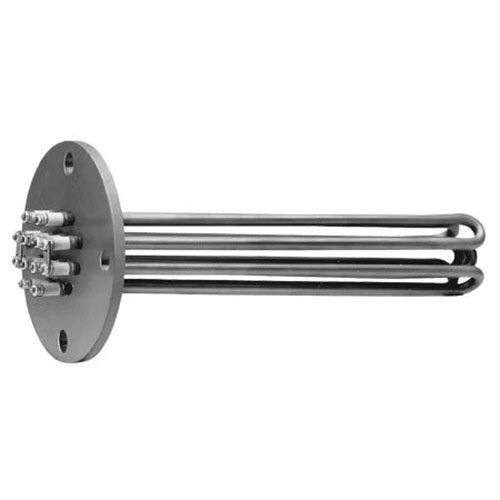
Tell us about your requirement

Price:
Quantity
Select Unit
- 50
- 100
- 200
- 250
- 500
- 1000+
Additional detail
Mobile number
Email

More Products in Immersion and Circulation Heaters Category

Oil Immersion Heater
Price 1400.0 INR / Piece
Minimum Order Quantity : 5 Pieces
Insulation Material : Ceramic
Material Specified : Other, Stainless Steel
Power : 2000W
Shape : UShaped
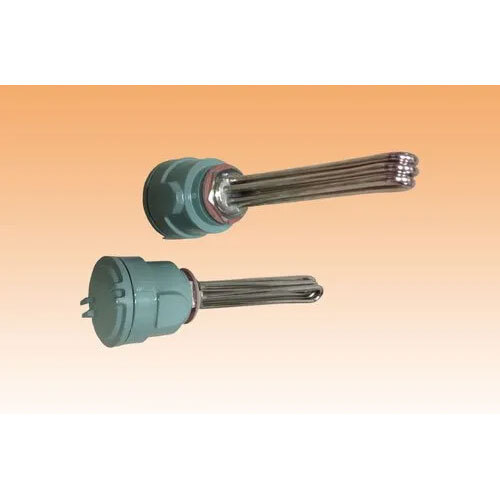
Immersion Heater With Flame Proof Junction Box
Price 1250.0 INR
Minimum Order Quantity : 5
Insulation Material : MGO (Magnesium Oxide)
Material Specified : Other, Stainless Steel (SS 304 / SS 316)
Power : 3 KW
Shape : Straight
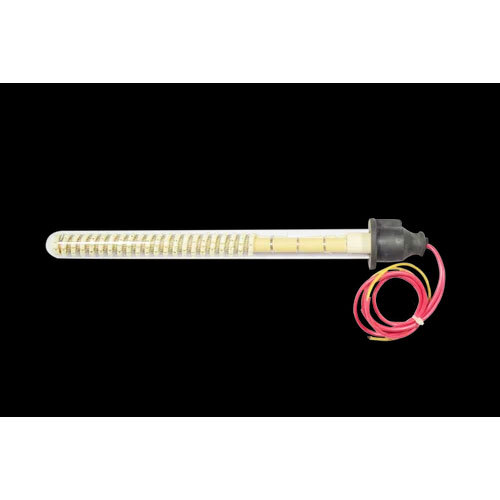
Silica Tube Heater
Price 1400.0 INR
Minimum Order Quantity : 5
Insulation Material : High Grade Ceramic
Material Specified : Other, Silica Glass
Power : 1000 Watt
Shape : Tube
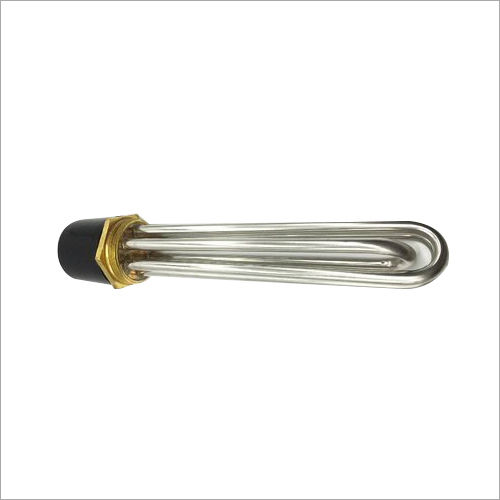
Water Immersion Heaters For Steam Generators
Price 2000 INR / Piece
Minimum Order Quantity : 5 Pieces
Insulation Material : Stainless Steel
Material Specified : Other
Power : 1000 Watt (w)
Shape : U Shape

S. M. ENTERPRISE
GST : 27ABNFS1615B1ZE
GST : 27ABNFS1615B1ZE
Unit No. 133, Veena Dalwai Industrial Estate, S.V. Road, Jogeshwari (West),Mumbai - 400102, Maharashtra, India
Phone :07313725927
 Send Inquiry
- Electric Heaters
- Thermocouples / Temp. Sensors
- Temp. Controllers
- Air Duct Heater
- Band Heater
- Cartridge Heater Manufacturer
- Coil Heater
- Drum Heater
- Flanged & Circulation Heater
- Hopper Dryer & Loader
- Hot Air Blower
- Immersion Heater
- Infrared Heater
- Process Air Heater & Inline Heater
- Tubular Heater
- Nozzle Heaters
- Band Heaters
- Immersion and Circulation Heaters
- Cast Heaters
- Heaters and Air Blowers
- Air Heaters
- Industrial Heater
- Ovens and Dryers
- Plastic Ancillary Machine
- Drum Heater for Chemical Industries
- Hopper Dryers & Loaders
- Energy Regulation & Infinite Controllers
- Wires And Cables
- Industrial Oven
- Thermostats
- Thermocouple & Thermostat
 Send Inquiry
 Send SMS
S. M. ENTERPRISE
All Rights Reserved.(Terms of Use)
Developed and Managed by Infocom Network Private Limited.
Developed and Managed by Infocom Network Private Limited.

