

Call us now
07313725927

 Send Inquiry
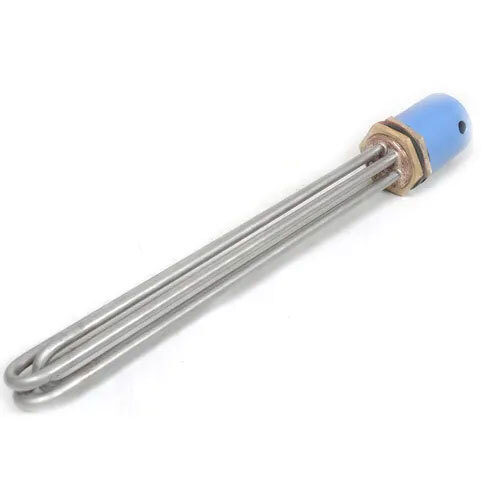
Oil Circulation Heater
Oil Circulation Heater Specification
- Mounting Type
- Flanged
- Diameter
- 150 mm
- Usage
- Industrial oil circulation heating
- Features
- Corrosion-resistant, Fast Heat Up, Easy Installation
- Terminal Type
- Threaded Terminal
- Phase
- Single Phase
- Frequency
- 50 Hz
- Application Areas
- Oil Heating, Hydraulic Oil Heating, Lubricants Heating Systems
- Temperature
- Up to 150C
- Voltage
- 230 V
- Heating Element
- Tubular Heater
- Material Specified
- Mild Steel
- Insulation Material
- Ceramic
- Shape
- Cylinder
- Power
- 6 kW
- Weight
- Approx. 18 kg
- Fluid Compatibility
- Mineral Oils, Synthetic Oils
- Control Type
- Thermostatic control
- Cable Entry Type
- PG Gland
- Surface Finish
- Powder coated
- Flow Rate Capability
- Up to 9 m³/h
- Protection Class
- IP55
- Pressure Rating
- Up to 6 Bar
- Ambient Operating Temperature
- -20°C to 60°C
- Inlet/Outlet Connection Size
- 1 inch BSP
Oil Circulation Heater Trade Information
- Minimum Order Quantity
- 5 Nos
- Supply Ability
- 1000 Per Week
- Delivery Time
- 7 Days
- Main Export Market(s)
- Asia, Australia, Central America, North America, South America, Eastern Europe, Western Europe, Middle East
- Main Domestic Market
- Central India, West India, East India, Gujarat, Karnataka, Kerala, Lakshadweep, Mizoram, Meghalaya, Manipur, Andhra Pradesh, All India, South India, North India, Maharashtra, Nagaland, Rajasthan, Sikkim, Tamil Nadu, Telangana, Bihar, Chandigarh, Daman and Diu, Goa, Jharkhand, Odisha, Punjab, Assam, Delhi, Dadra and Nagar Haveli, Andaman and Nicobar Islands, Arunachal Pradesh, Chhattisgarh, Haryana, Himachal Pradesh, Jammu and Kashmir, Madhya Pradesh, Tripura, Pondicherry, Uttar Pradesh, Uttarakhand, West Bengal
About Oil Circulation Heater
Oil circulation heaters are specialized industrial heaters designed to heat oil and other viscous fluids as they circulate through a closed-loop system. These heaters consist of a heating element, usually made of stainless steel or other corrosion-resistant material, housed within a pressure-rated chamber or vessel. The oil is pumped through this chamber, where it comes into direct contact with the heating elements, resulting in efficient and uniform heating.
Oil circulation heaters are commonly used in applications requiring precise temperature control, such as in lubrication systems, hydraulic systems, fuel oil heating, and thermal fluid systems. They are ideal for maintaining the temperature of oils to ensure proper viscosity and performance, which is crucial in industrial processes like power generation, petrochemical processing, and heavy machinery operation. These heaters can be configured for different heating capacities, flow rates, and temperatures, making them versatile for various industrial applications.
FAQs about Oil Circulation Heaters
Q1: What are the main applications of oil circulation heaters?
A1: Oil circulation heaters are used in a variety of applications, including lubrication oil heating, hydraulic oil heating, fuel oil conditioning, and thermal fluid systems. They are also used in power generation, petrochemical processing, and any process requiring precise temperature control of viscous fluids.
Q2: How do oil circulation heaters work?
A2: Oil circulation heaters work by heating the oil as it flows through a chamber containing electric heating elements. The heated oil is then circulated back into the system, maintaining the desired temperature and viscosity. This process ensures uniform and efficient heating throughout the system.
Q3: What materials are used in the construction of oil circulation heaters?
A3: Oil circulation heaters are typically constructed from materials like stainless steel, Incoloy, or other corrosion-resistant alloys to withstand the high temperatures and potential corrosiveness of the fluids being heated. The heating elements are also made from durable materials to ensure long-term performance.
Q4: What are the benefits of using oil circulation heaters?
A4: The benefits of using oil circulation heaters include precise temperature control, efficient and uniform heating, reduced energy consumption, and the ability to maintain the proper viscosity of oils in various industrial processes. These heaters are also durable and can be customized to fit specific application requirements.
Q5: Can oil circulation heaters be used with different types of oil?
A5: Yes, oil circulation heaters can be used with various types of oils, including lubrication oils, hydraulic oils, fuel oils, and thermal fluids. The heater can be customized to handle different viscosities and temperature ranges, depending on the specific oil used.
Advanced Design for Industrial Oil Heating
Specially engineered for efficient and safe oil heating, this circulation heater features a corrosion-resistant powder coated finish and ceramic insulation for enhanced durability. The flanged mounting and threaded terminal simplify installation across a wide range of industrial set-ups. Its thermostatic control maintains accurate temperatures, ensuring consistent operation with rapid heat-up times to support high-demand hydraulic and lubricant heating processes.
Reliable Performance and Safety
The heater's protection class IP55 and robust mild steel construction make it suitable for challenging environments, providing safe operation in ambient temperatures from -20C to 60C. With a pressure rating up to 6 Bar, it adapts to various industrial applications while maintaining safety standards. The PG gland cable entry and threaded terminal enhance secure connections, ensuring reliability and long-term service life.
FAQ's of Oil Circulation Heater:
Q: How is the Oil Circulation Heater installed in industrial systems?
A: This heater is easily installed using its flanged mounting type, which allows secure and stable connection to existing piping. The threaded terminals ensure reliable electrical contact, while the PG gland cable entry helps with safe electrical wiring.Q: What types of oils are compatible with this heater?
A: The heater is designed to work effectively with both mineral and synthetic oils, making it suitable for a wide array of hydraulic and lubricant heating applications in various industries.Q: When should I use this heater for my oil circulation needs?
A: This unit is ideal when precise temperature control (up to 150C) and fast heat up times are needed, especially in processes involving hydraulic oils or lubricants that require consistent heating within high-flow industrial systems.Q: Where can the Oil Circulation Heater be used?
A: It can be deployed in industrial environments across India and internationally, particularly in oil heating setups, hydraulic systems, and lubricant heating circuits, thanks to its robust design and IP55 protection.Q: What process controls are available with this heater?
A: The heater is equipped with thermostatic control, allowing users to set and maintain specific operating temperatures automatically. This ensures safe and energy-efficient heating tailored to process requirements.Q: How does this heater benefit my industrial oil heating application?
A: It offers rapid and uniform heat up, corrosion resistance, and easy installation, significantly improving process efficiency and reliability. Its robust construction and safety features minimize maintenance and operational risks.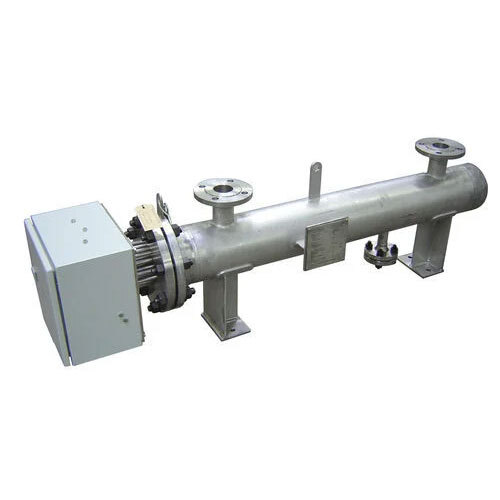
Tell us about your requirement

Price:
Quantity
Select Unit
- 50
- 100
- 200
- 250
- 500
- 1000+
Additional detail
Mobile number
Email

More Products in Immersion and Circulation Heaters Category
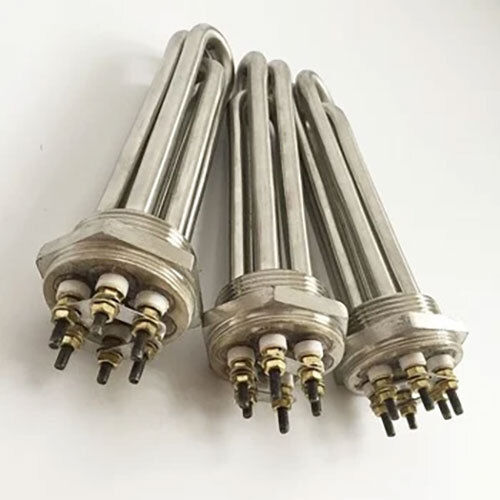
Industrial Water Heating Elements
Price 2400 INR / Unit
Minimum Order Quantity : 5 Units
Power : 500 W to 6000 W
Insulation Material : Highquality Magnesium Oxide (MgO)
Material Specified : Other, Stainless Steel / Incoloy / Copper
Shape : U Shape / Straight / Customized
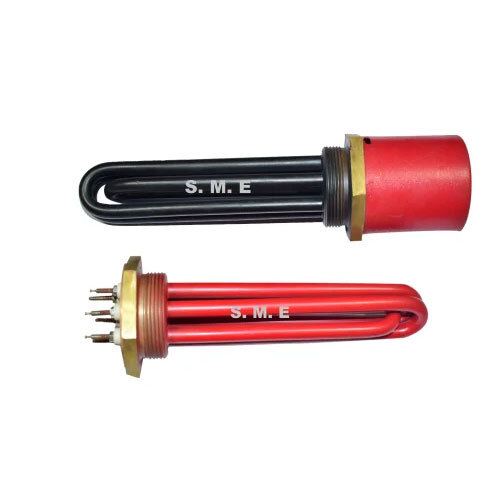
Flange Oil Immersion Heaters
Price 1500.0 INR
Minimum Order Quantity : 5
Power : 1 kW to 20 kW
Insulation Material : High Grade Magnesium Oxide (MgO)
Material Specified : Other, Stainless Steel / Mild Steel / Incoloy
Shape : UShaped / LShaped / Straight
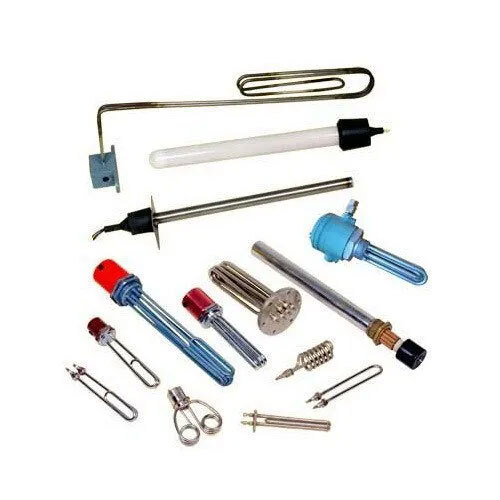
Alkaline Immersion Heater
Price 650.0 INR
Minimum Order Quantity : 5
Power : 1 kW to 6 kW
Insulation Material : Highquality Ceramic
Material Specified : Other, Stainless Steel / Mild Steel with Alkalineresistant Coating
Shape : U Shape / L Shape / Spiral
Screw Plug Immersion Heaters
Power : 500 W to 9000 W
Insulation Material : MgO (Magnesium Oxide)
Material Specified : Other, Stainless Steel / Incoloy / Copper
Shape : U Shaped / Straight

S. M. ENTERPRISE
GST : 27ABNFS1615B1ZE
GST : 27ABNFS1615B1ZE
Unit No. 133, Veena Dalwai Industrial Estate, S.V. Road, Jogeshwari (West),Mumbai - 400102, Maharashtra, India
Phone :07313725927
 Send Inquiry
- Electric Heaters
- Thermocouples / Temp. Sensors
- Temp. Controllers
- Air Duct Heater
- Band Heater
- Cartridge Heater Manufacturer
- Coil Heater
- Drum Heater
- Flanged & Circulation Heater
- Hopper Dryer & Loader
- Hot Air Blower
- Immersion Heater
- Infrared Heater
- Process Air Heater & Inline Heater
- Tubular Heater
- Nozzle Heaters
- Band Heaters
- Immersion and Circulation Heaters
- Cast Heaters
- Heaters and Air Blowers
- Air Heaters
- Industrial Heater
- Ovens and Dryers
- Plastic Ancillary Machine
- Drum Heater for Chemical Industries
- Hopper Dryers & Loaders
- Energy Regulation & Infinite Controllers
- Wires And Cables
- Industrial Oven
- Thermostats
- Thermocouple & Thermostat
 Send Inquiry
 Send SMS
S. M. ENTERPRISE
All Rights Reserved.(Terms of Use)
Developed and Managed by Infocom Network Private Limited.
Developed and Managed by Infocom Network Private Limited.

