

Call us now
07313725927

 Send Inquiry
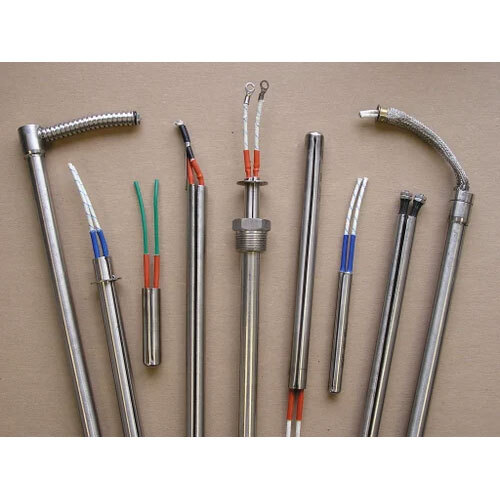
Porcelain Heating Element
Price 2350 INR/ Unit
MOQ : 5 Units
Porcelain Heating Element Specification
- Voltage
- 230 V Volt (v)
- Heating Element
- Coil Heater
- Features
- High Temperature Resistance, Durable Construction, Fast Heating, Corrosion Resistant
- Terminal Type
- Screw Terminal
- Mounting Type
- Threaded/Flanged
- Frequency
- 50/60 Hz Hertz (HZ)
- Application Areas
- Industrial Heaters, Water Heaters, Ovens, Furnaces
- Temperature
- Up to 1200C Celsius (oC)
- Phase
- Single/Three Phase
- Diameter
- 12 mm Millimeter (mm)
- Usage
- Industrial & Commercial Heating
- Material Specified
- High-Quality Porcelain
- Insulation Material
- Ceramic Porcelain
- Product Type
- Element
- Shape
- Tubular
- Power
- 500 W Watt (w)
- Color
- Brown
- Color
- White / Off-white
- Length
- 150 mm - 450 mm (Customizable)
- Operating Position
- Horizontal / Vertical
- Lifespan
- 10,000+ Hours
- Packaging Type
- Box / Carton
- Surface Finish
- Glazed / Unglazed
- Maximum Pressure
- 6 bar
- Connection Type
- Stud Connection
Porcelain Heating Element Trade Information
- Minimum Order Quantity
- 5 Units
- Payment Terms
- Cash Advance (CA), Cash in Advance (CID)
- Supply Ability
- 1000 Units Per Week
- Delivery Time
- 7 Days
- Sample Available
- Yes
- Sample Policy
- Sample costs shipping and taxes has to be paid by the buyer
- Main Export Market(s)
- Asia, Australia, Central America, North America, South America, Eastern Europe, Western Europe, Middle East, Africa
- Main Domestic Market
- , All India, South India, Central India, West India, North India, East India, Gujarat, Karnataka, Kerala, Lakshadweep, Mizoram, Meghalaya, Manipur, Andhra Pradesh, Bihar, Chandigarh, Daman and Diu, Goa, Jharkhand, Odisha, Punjab, Assam, Delhi, Dadra and Nagar Haveli, Andaman and Nicobar Islands, Arunachal Pradesh, Chhattisgarh, Haryana, Himachal Pradesh, Jammu and Kashmir, Madhya Pradesh, Maharashtra, Nagaland, Rajasthan, Sikkim, Tamil Nadu, Telangana, Tripura, Pondicherry, Uttar Pradesh, Uttarakhand, West Bengal
About Porcelain Heating Element
Porcelain heating elements are electrical heating components that utilize porcelain as an insulating and structural material. Known for their durability and heat resistance, these elements are commonly used in various applications, including industrial heating, electric stoves, kilns, and laboratory equipment. The porcelain provides excellent insulation, allowing for efficient heat generation while minimizing heat loss.
Key Features:
- High Insulation Properties: Porcelain is an excellent insulator, which helps prevent energy loss and enhances the efficiency of the heating element.
- Temperature Resistance: Designed to withstand high temperatures, making them suitable for applications that require consistent heat.
- Durability: Porcelain is resistant to corrosion and wear, contributing to a longer lifespan of the heating element.
- Variety of Configurations: Available in various shapes and sizes to fit specific heating applications, including coil, plate, and cartridge designs.
- Safety Features: Often designed with thermal cutoffs and other safety mechanisms to prevent overheating and ensure safe operation.
Engineered for Industrial Performance
Our porcelain heating elements are designed with advanced materials to ensure stable and fast heating even in demanding environments. They are suitable for both horizontal and vertical operating positions, and can handle pressures up to 6 bar, making them reliable for various industrial setups.
Flexible Customization Options
Choose from different lengths, finishes, diameters, and mounting options to precisely match your operational requirements. Whether you need a threaded or flanged mounting, or a specific terminal type, these elements are designed to integrate seamlessly with new or existing heating systems.
FAQs of Porcelain Heating Element:
Q: How do I install the Porcelain Heating Element in my equipment?
A: Installation is straightforward with the stud connection and threaded/flanged mounting options. Simply secure the element in your unit and connect the screw terminals, ensuring electrical safety and proper fitting for optimal operation.Q: What benefits does the high-quality porcelain construction provide?
A: High-quality porcelain offers excellent electrical insulation, high temperature resistance, and corrosion resistance, contributing to increased element lifespan and reliable performance in harsh operating conditions.Q: When should I consider replacing the heating element?
A: Our elements are engineered for over 10,000 hours of operation, but replacement is recommended if you observe diminished heating efficiency, physical damage, or signs of electrical malfunction to maintain optimal performance.Q: Where can these heating elements be used?
A: These elements are ideal for industrial and commercial applications such as water heaters, ovens, furnaces, and various industrial heating systems, catering to export, manufacturing, and supply sectors across India and globally.Q: What is the process for customizing the element to specific dimensions?
A: Customization is available for lengths from 150 mm to 450 mm. You can specify diameter, mounting, terminal, and other requirements during order placement for a solution tailored precisely to your equipment.Q: How does the NiCr wire heating element enhance performance?
A: Nickel-Chromium (NiCr) wire ensures rapid heating and optimal energy efficiency while withstanding temperatures up to 1200C. This leads to reliable temperature control and consistent heating results in demanding applications.Q: What are the main usage and operational advantages of this product?
A: With its fast heating, durable build, and resistance to high temperatures and corrosion, this heating element offers long service life, energy efficiency, and minimal maintenance for a wide range of demanding industrial use cases.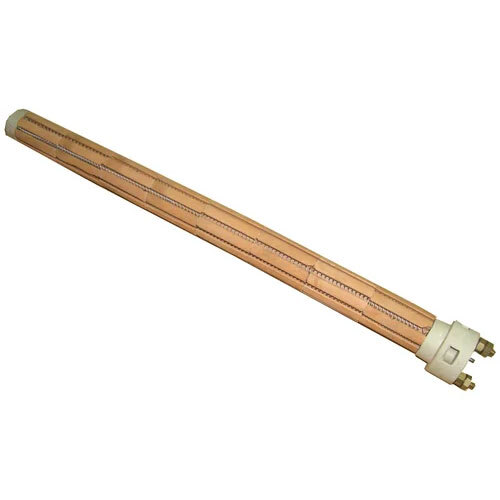
Tell us about your requirement

Price:
Quantity
Select Unit
- 50
- 100
- 200
- 250
- 500
- 1000+
Additional detail
Mobile number
Email

More Products in Cartridge Heater Manufacturer Category
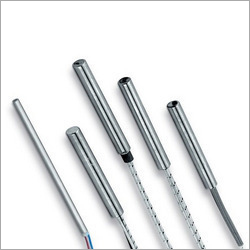
High Density Cartridge Heaters
Insulation Material : High Purity Magnesium Oxide (MgO)
Voltage : 110V / 230V / 415V Volt (v)
Features : High Watt Density, Fast Heating, Long Life, Uniform Heat Distribution
Heating Element : Other, Nickel Chromium Resistance Wire
Frequency : 50/60 Hz Hertz (HZ)
Application Areas : Plastic Molding, Packaging Machines, Hot Runner Manifolds, Dies and Molds, Metal Forming
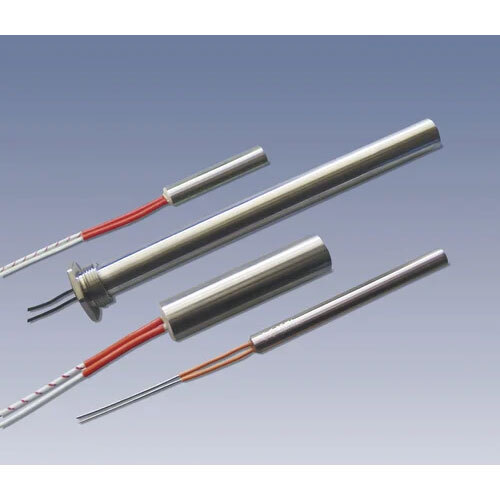
Rod Heater
Insulation Material : Ceramic
Voltage : 220 Volt (v)
Features : Durable
Heating Element : Coil Heater
Frequency : 50 Hertz (HZ)
Application Areas : Industrial
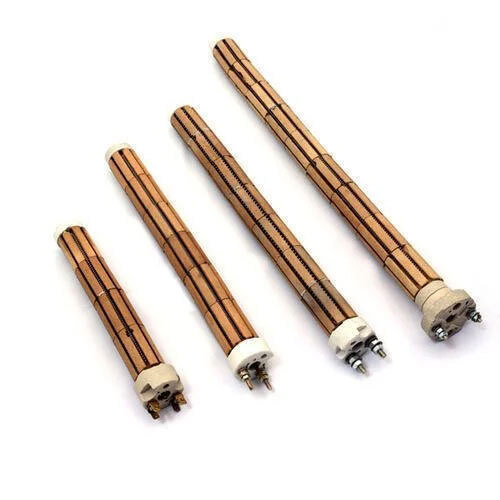
Ceramic Heating Element
Insulation Material : Ceramic
Voltage : 220 Volt (v)
Features : Durable
Heating Element : Coil Heater
Frequency : 50 Hertz (HZ)
Application Areas : Industrial
Cartridge Heaters
Insulation Material : Ceramic
Voltage : 220 Volt (v)
Features : Durable
Heating Element : Coil Heater
Frequency : 50 Hertz (HZ)
Application Areas : Industrial

S. M. ENTERPRISE
GST : 27ABNFS1615B1ZE
GST : 27ABNFS1615B1ZE
Unit No. 133, Veena Dalwai Industrial Estate, S.V. Road, Jogeshwari (West),Mumbai - 400102, Maharashtra, India
Phone :07313725927
 Send Inquiry
- Electric Heaters
- Thermocouples / Temp. Sensors
- Temp. Controllers
- Air Duct Heater
- Band Heater
- Cartridge Heater Manufacturer
- Coil Heater
- Drum Heater
- Flanged & Circulation Heater
- Hopper Dryer & Loader
- Hot Air Blower
- Immersion Heater
- Infrared Heater
- Process Air Heater & Inline Heater
- Tubular Heater
- Nozzle Heaters
- Band Heaters
- Immersion and Circulation Heaters
- Cast Heaters
- Heaters and Air Blowers
- Air Heaters
- Industrial Heater
- Ovens and Dryers
- Plastic Ancillary Machine
- Drum Heater for Chemical Industries
- Hopper Dryers & Loaders
- Energy Regulation & Infinite Controllers
- Wires And Cables
- Industrial Oven
- Thermostats
- Thermocouple & Thermostat
 Send Inquiry
 Send SMS
S. M. ENTERPRISE
All Rights Reserved.(Terms of Use)
Developed and Managed by Infocom Network Private Limited.
Developed and Managed by Infocom Network Private Limited.

