

Call us now
07313725927

 Send Inquiry
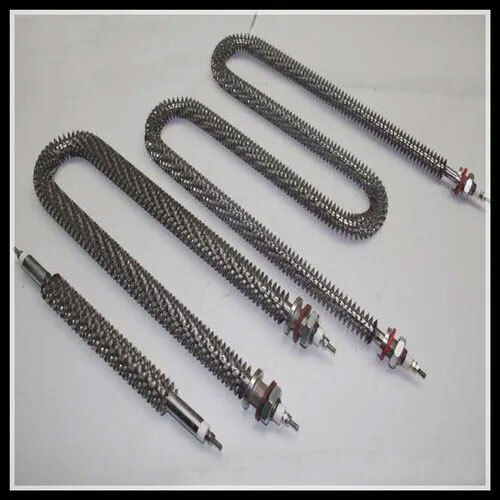
Fin Heating Element
Price 2000 INR/ Piece
MOQ : 5 Pieces
Fin Heating Element Specification
- Application Areas
- HVAC Systems, Air Heaters, Industrial Ovens, Duct Heating, Dryers
- Temperature
- Up to 300C
- Usage
- Industrial Air and Gas Heating
- Frequency
- 50/60 Hz
- Mounting Type
- Flange or Threaded
- Heating Element
- Nickel Chrome Resistance Wire
- Features
- Corrosion Resistant, Fast Heating, High Heat Transfer Efficiency
- Diameter
- 8 mm to 16 mm (customizable)
- Terminal Type
- Screw Terminal
- Phase
- Single or Three Phase
- Voltage
- 230 V
- Material Specified
- Stainless Steel
- Insulation Material
- MGO (Magnesium Oxide)
- Shape
- U Shaped with Finned Surface
- Power
- Up to 2000 W (customizable)
- Color
- Metallic Silver
- Surface Treatment
- Electropolished or Passivated
- Fin Material
- Aluminium Fins
- Max Surface Load
- Up to 4 W/cm²
- Length
- 300 mm to 1500 mm (custom sizes available)
- Connection Type
- Bolt/Screw or Cable Connection
Fin Heating Element Trade Information
- Minimum Order Quantity
- 5 Pieces
- Payment Terms
- Cash Advance (CA), Cash in Advance (CID)
- Supply Ability
- 1000 Pieces Per Week
- Delivery Time
- 7 Days
- Sample Available
- Yes
- Sample Policy
- Sample costs shipping and taxes has to be paid by the buyer
- Main Export Market(s)
- Asia, Australia, Central America, North America, South America, Eastern Europe, Western Europe, Middle East, Africa
- Main Domestic Market
- , All India, South India, Central India, West India, North India, East India, Gujarat, Karnataka, Kerala, Lakshadweep, Mizoram, Meghalaya, Manipur, Andhra Pradesh, Bihar, Chandigarh, Daman and Diu, Goa, Jharkhand, Odisha, Punjab, Assam, Delhi, Dadra and Nagar Haveli, Andaman and Nicobar Islands, Arunachal Pradesh, Chhattisgarh, Haryana, Himachal Pradesh, Jammu and Kashmir, Madhya Pradesh, Maharashtra, Nagaland, Rajasthan, Sikkim, Tamil Nadu, Telangana, Tripura, Pondicherry, Uttar Pradesh, Uttarakhand, West Bengal
About Fin Heating Element
Fin heating elements are specialized electric heating components designed to enhance heat transfer efficiency. They consist of a heating coil or element surrounded by fins, which increase the surface area for heat exchange. These elements are commonly used in applications where rapid and effective heating is required, such as in air or fluid heating systems.
Key Features:
- Enhanced Heat Transfer: The fins significantly increase the surface area, allowing for more effective heat transfer to the surrounding medium (air or liquid).
- Versatile Applications: Suitable for use in HVAC systems, industrial heating, food processing, and any application requiring efficient heating of air or fluids.
- Customizable Designs: Available in various sizes, shapes, and materials to fit specific application requirements.
- Durable Construction: Often made from materials resistant to corrosion and wear, ensuring long service life even in harsh conditions.
FAQs
1. What are the main advantages of using fin heating elements?
- They offer improved heat transfer efficiency, faster heating times, and are suitable for a wide range of applications, making them highly versatile.
2. How do fin heating elements operate?
- The heating coil generates heat when electrical current passes through it. The fins distribute this heat effectively, allowing for efficient warming of the surrounding air or fluid.
3. In what applications are fin heating elements commonly used?
- Common applications include HVAC systems, process heating, drying applications, and temperature maintenance in various industries.
4. Can fin heating elements be used outdoors?
- Yes, many fin heating elements are suitable for outdoor use, but its important to check the specific models ratings for weather resistance and protective features.
5. What materials are typically used for fin heating elements?
- Common materials include aluminum, stainless steel, and copper, chosen for their thermal conductivity and resistance to corrosion.
6. How do I select the right fin heating element for my needs?
- Consider factors such as the required temperature, medium to be heated, airflow rate, and application specifics. Refer to manufacturer guidelines for optimal selection.
7. What maintenance is required for fin heating elements?
- Regular cleaning to remove dust or debris, inspections for damage, and ensuring proper airflow are essential for maintaining performance.
8. Are fin heating elements energy-efficient?
- Yes, they are designed to optimize heat transfer, leading to reduced energy consumption compared to traditional heating methods.
Reliable and Efficient Heating Performance
Our finned heating elements are designed to maximize heat transfer efficiency while ensuring rapid, uniform temperature rise. Each component, from the stainless steel sheath to the aluminium fins, is selected for its durability and performance in demanding industrial environments. Corrosion-resistant finishes and customizable options ensure both longevity and tailored solutions for your heating needs.
Customizable Solutions for Diverse Applications
With customizable dimensions, power ratings, and mounting types, these heating elements cater to a wide range of applications such as HVAC, industrial ovens, and dryers. Choose from a variety of lengths, diameters, and terminal types to fit your specific installations. Our engineering expertise guarantees optimal performance wherever reliable heating is essential.
FAQ's of Fin Heating Element:
Q: How does the fin design enhance the performance of this heating element?
A: The use of aluminium fins significantly increases the surface area, facilitating faster heat transfer and ensuring more efficient heating of air or gas. This design is particularly beneficial in applications where rapid temperature rise and uniform heat distribution are critical.Q: What applications are these fin heating elements most suitable for?
A: They are ideally used in HVAC systems, duct heaters, industrial ovens, dryers, and any industrial air or gas heating processes. Their robust build and high heat transfer efficiency make them suitable for both commercial and industrial settings.Q: What are the available customization options for these heating elements?
A: You can specify the length (300 mm to 1500 mm), diameter (8 mm to 16 mm), surface treatment (electropolished or passivated), connection type, mounting style, terminal type, power (up to 2000 W), and voltage. Custom sizes and configurations are available to suit various installation requirements.Q: When should electropolished or passivated surface treatment be chosen for the fins?
A: Electropolished or passivated surfaces are recommended in environments where increased corrosion resistance is needed, especially in chemically aggressive or high-humidity conditions. These treatments enhance the durability and lifespan of the heating elements.Q: Where are these heating elements typically installed?
A: They are commonly installed in air handling units, industrial ovens, HVAC ductwork, and drying equipment. Mounting options include flange or threaded fittings, allowing straightforward integration with existing systems.Q: What is the process for installing these finned heating elements?
A: Installation involves securing the element using flange or threaded connections and wiring the screw terminal or cable leads to the power supply. Proper insulation and electrical safety measures should be followed as per the manufacturer's guidelines.Q: What benefits do corrosion-resistant materials and fast heating provide?
A: Corrosion resistance extends the operational life of the heating element, especially in demanding environments. Fast heating capability ensures minimal downtime and energy efficiency by rapidly achieving desired temperatures, improving process productivity.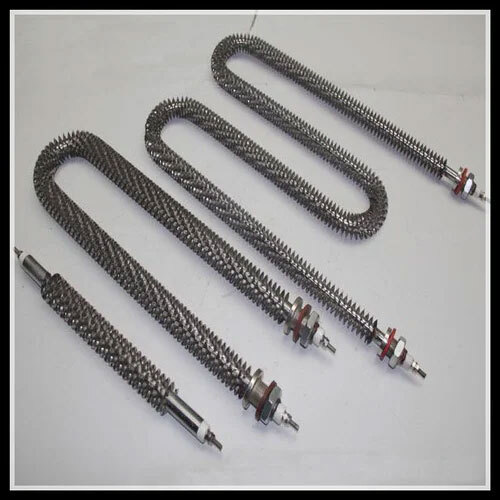
Tell us about your requirement

Price:
Quantity
Select Unit
- 50
- 100
- 200
- 250
- 500
- 1000+
Additional detail
Mobile number
Email

More Products in Air Heaters Category
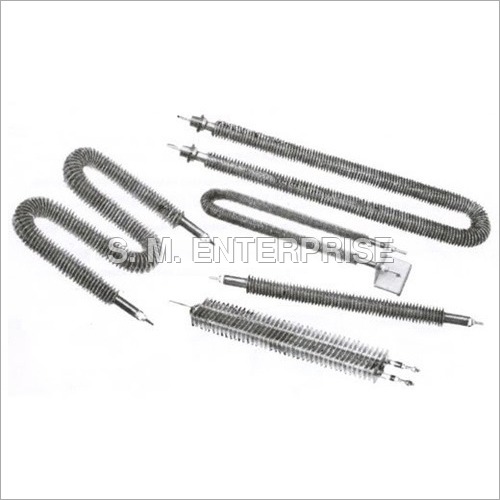
Finned Air Heater
Price 500 INR
Minimum Order Quantity : 12 Pieces
Insulation Material : MGO Powder
Shape : AS PER CUSTOMIZED
Usage : Heating Air in Closed and Open Spaces
Material Specified : Air Heating Elements
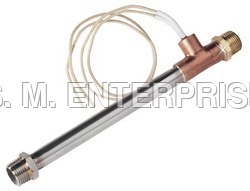
Process Air Heaters
Price 6500 INR
Minimum Order Quantity : 2 Pieces
Insulation Material : Ceramic fibre insulation
Shape : AS PER CUSTOMIZED
Usage : Air heating, process ventilation
Material Specified : Other
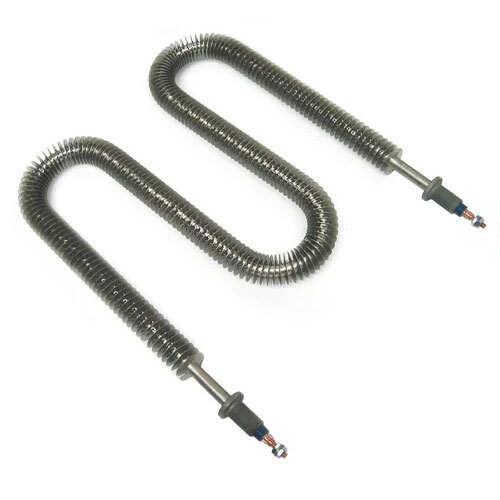
Air Heater With Fins
Price 2400 INR / Unit
Minimum Order Quantity : 5 Units
Insulation Material : Stainless Steel
Shape : M Shape
Usage : Air Heater
Material Specified : Air Heating Elements
Stainless Steel dryer heaters
Price 2000 INR / Piece
Minimum Order Quantity : 5 Pieces
Insulation Material : Stainless Steel
Shape : M Shape
Usage : AIR, OVEN,TRAY DRYER

S. M. ENTERPRISE
GST : 27ABNFS1615B1ZE
GST : 27ABNFS1615B1ZE
Unit No. 133, Veena Dalwai Industrial Estate, S.V. Road, Jogeshwari (West),Mumbai - 400102, Maharashtra, India
Phone :07313725927
 Send Inquiry
- Electric Heaters
- Thermocouples / Temp. Sensors
- Temp. Controllers
- Air Duct Heater
- Band Heater
- Cartridge Heater Manufacturer
- Coil Heater
- Drum Heater
- Flanged & Circulation Heater
- Hopper Dryer & Loader
- Hot Air Blower
- Immersion Heater
- Infrared Heater
- Process Air Heater & Inline Heater
- Tubular Heater
- Nozzle Heaters
- Band Heaters
- Immersion and Circulation Heaters
- Cast Heaters
- Heaters and Air Blowers
- Air Heaters
- Industrial Heater
- Ovens and Dryers
- Plastic Ancillary Machine
- Drum Heater for Chemical Industries
- Hopper Dryers & Loaders
- Energy Regulation & Infinite Controllers
- Wires And Cables
- Industrial Oven
- Thermostats
- Thermocouple & Thermostat
 Send Inquiry
 Send SMS
S. M. ENTERPRISE
All Rights Reserved.(Terms of Use)
Developed and Managed by Infocom Network Private Limited.
Developed and Managed by Infocom Network Private Limited.

