

Call us now
07313725927

 Send Inquiry
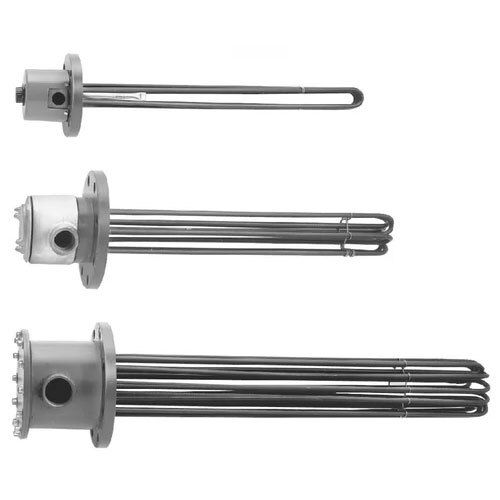
Chemical Heating Element
Chemical Heating Element Specification
- Frequency
- 50/60 Hz
- Mounting Type
- Flange Mounted
- Application Areas
- Chemical Industry, Acid/Alkali Tanks, Plating Plants
- Phase
- Single Phase
- Voltage
- 220-240 V
- Features
- Corrosion Resistant, Durable Build, Fast Heating
- Heating Element
- Nichrome
- Diameter
- 16 mm
- Terminal Type
- Screw Terminal
- Temperature
- Up to 450C
- Usage
- Industrial Chemical Heating
- Material Specified
- Stainless Steel
- Insulation Material
- Ceramic
- Shape
- U Shape
- Power
- 2000 W
- Length
- 400 mm
- Surface Treatment
- Polished
- Color
- Silver
- Minimum Order Quantity
- 1 Piece
Chemical Heating Element Trade Information
- Minimum Order Quantity
- 5 Nos
- Payment Terms
- Cash Advance (CA), Cash in Advance (CID)
- Supply Ability
- 1000 Per Week
- Delivery Time
- 7 Days
- Main Export Market(s)
- Asia, Australia, Central America, North America, South America, Eastern Europe, Western Europe, Middle East, Africa
- Main Domestic Market
- All India, South India, Central India, West India, Daman and Diu, Goa, North India, East India, Gujarat, Karnataka, Kerala, Lakshadweep, Mizoram, Meghalaya, Manipur, Andhra Pradesh, Bihar, Chandigarh, Jharkhand, Odisha, Punjab, Assam, Delhi, Dadra and Nagar Haveli, Andaman and Nicobar Islands, Arunachal Pradesh, Chhattisgarh, Haryana, Himachal Pradesh, Jammu and Kashmir, Madhya Pradesh, Maharashtra, Nagaland, Rajasthan, Sikkim, Tamil Nadu, Telangana, Tripura, Pondicherry, Uttar Pradesh, Uttarakhand, West Bengal
About Chemical Heating Element
Chemical heating elements are designed to heat chemical solutions, mixtures, or processes in various industrial applications. These elements are specially constructed to handle the corrosive and reactive properties of chemicals. They typically consist of a metal sheath or tube that encases a heating coil or element, which is submerged in the chemical solution. When electrical current passes through the heating element, it generates heat that is transferred to the chemical, maintaining the desired temperature for the process.
The materials used in chemical heating elements are selected for their resistance to corrosion and chemical reactions, often including alloys such as Incoloy, stainless steel, or titanium. The design of these heating elements ensures efficient and uniform heating, crucial for processes in industries such as pharmaceuticals, chemicals, and petrochemicals.
FAQs about Chemical Heating Elements
Q1: What are chemical heating elements used for?
A1: Chemical heating elements are used to heat chemical solutions, mixtures, or processes in various industrial applications. They are essential in industries like pharmaceuticals, chemical manufacturing, and petrochemicals where precise temperature control is needed for chemical reactions or processes.
Q2: How do chemical heating elements work?
A2: Chemical heating elements work by having a heating coil or element encased in a metal sheath that is immersed in the chemical solution. When electrical current flows through the heating element, it generates heat, which is transferred to the surrounding chemical, raising its temperature.
Q3: What materials are used in chemical heating elements?
A3: The materials used are selected for their resistance to corrosion and chemical reactions. Common materials include Incoloy, stainless steel, titanium, and other high-grade alloys that can withstand harsh chemical environments and high temperatures.
Q4: What are the benefits of using chemical heating elements?
A4: Benefits include efficient and uniform heating, resistance to corrosion and chemical reactions, and the ability to maintain precise temperature control. These elements are designed to handle the demanding conditions of chemical processes, ensuring reliable performance.
Q5: Can chemical heating elements be customized?
A5: Yes, chemical heating elements can be customized in terms of size, material, wattage, and design to meet specific application requirements. Customization ensures that the element is suited to the chemical being heated and the process conditions.
Robust Construction for Demanding Applications
Built from premium stainless steel and insulated with ceramic, our heating element resists corrosion and chemical attack. The polished surface enhances durability, while U-shaped design ensures efficient heat distribution even in aggressive chemical environments. It is suitable for single-phase power systems, making it a reliable choice for industrial chemical heating.
Versatile and Efficient Heating Solution
Designed for compatibility with acid and alkali tanks, plating plants, and more, this flange-mounted element supports a broad range of chemical industry requirements. The high-quality nichrome heating element delivers rapid temperature ramp-up to 450C, ensuring consistent, stable operation. Installation is straightforward with user-friendly screw terminals.
FAQs of Chemical Heating Element:
Q: How does the chemical heating element ensure safety in corrosive environments?
A: The element features a stainless steel body and ceramic insulation, both of which provide excellent resistance to corrosion and high temperatures, ensuring safety and reliable performance when used in acid, alkali tanks, and other harsh environments.Q: What is the process for installing this flange-mounted heating element?
A: Installation involves attaching the flange to a compatible mounting port on your tank or vessel, then connecting the screw terminals to your electrical supply (220-240 V, single phase). Proper installation guides are provided to facilitate seamless setup.Q: Where is this heating element typically used?
A: This product is commonly utilized in chemical industry applications such as acid and alkali tanks, plating plants, and other industrial settings where efficient, controlled heating is critical.Q: What benefits does the polished stainless steel construction offer?
A: The polished stainless steel finish provides enhanced corrosion resistance, easy cleaning, and improved longevity, making it particularly suitable for use in aggressive chemical environments.Q: When can I expect fast heating performance from this element?
A: The nichrome heating element ensures quick heat-up times, delivering 2000 W of power to achieve target temperaturesup to 450Crapidly, supporting efficient operation in time-sensitive industrial processes.Q: How is temperature regulated during operation?
A: The heating element is designed for stable, consistent output; temperature can be regulated externally using compatible thermostats or control panels typically used in industrial chemical heating systems.Q: What is the minimum order quantity for this product, and is it available for export?
A: The minimum order quantity is one piece, and we are equipped to supply and export this product internationally, supporting both small and large-scale industrial requirements.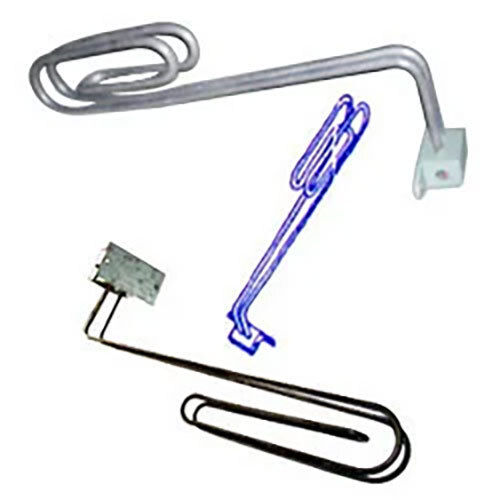
Tell us about your requirement

Price:
Quantity
Select Unit
- 50
- 100
- 200
- 250
- 500
- 1000+
Additional detail
Mobile number
Email

More Products in Immersion and Circulation Heaters Category
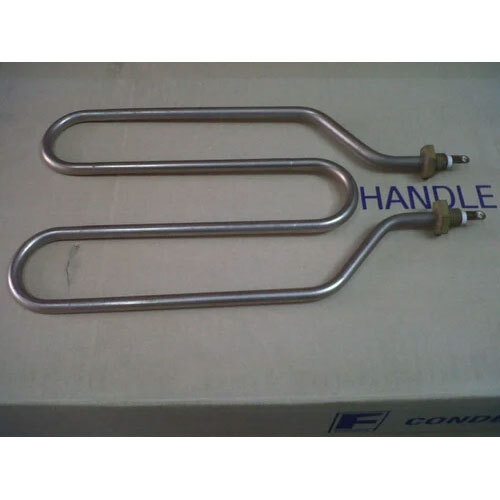
Bain Marie Heater
Price 600 INR / Unit
Minimum Order Quantity : 5 Units
Application Areas : Commercial Kitchens, Hotels, Restaurants, Catering Services
Phase : Single Phase
Mounting Type : Immersion/Clamp
Frequency : 50/60 Hz
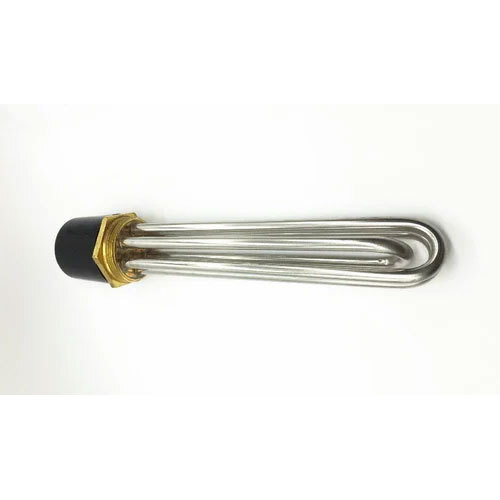
Water Immersion Heaters For Steam Generator
Price 1400.0 INR
Minimum Order Quantity : 5
Application Areas : Steam Generators, Industrial Boilers, Commercial Laundry Equipment
Phase : Single Phase/Three Phase
Mounting Type : Threaded/Flanged
Frequency : 50/60 Hz
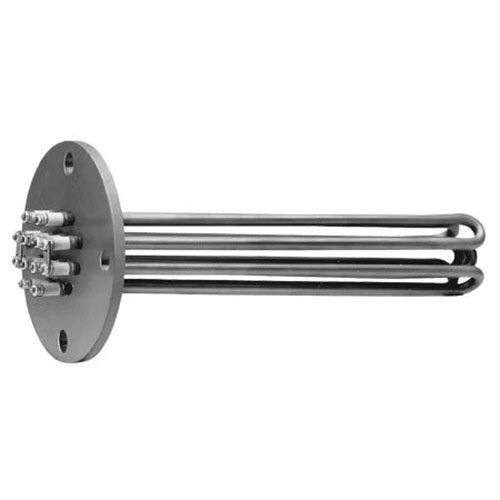
Water Heating Element
Price 1500.0 INR
Minimum Order Quantity : 5
Application Areas : Water Heaters, Geysers
Phase : Single Phase
Mounting Type : Threaded
Frequency : 50 Hz
Explosion Proof Heater
Price 1450.0 INR
Minimum Order Quantity : 1 Pieces
Application Areas : Hazardous environments, petrochemical plants, refineries, chemical processing, paint shops, oil and gas facilities
Phase : Single or Three Phase
Mounting Type : Flange Mounted/Threaded/Floor or Wall Mounted
Frequency : 50/60 Hz

S. M. ENTERPRISE
GST : 27ABNFS1615B1ZE
GST : 27ABNFS1615B1ZE
Unit No. 133, Veena Dalwai Industrial Estate, S.V. Road, Jogeshwari (West),Mumbai - 400102, Maharashtra, India
Phone :07313725927
 Send Inquiry
- Electric Heaters
- Thermocouples / Temp. Sensors
- Temp. Controllers
- Air Duct Heater
- Band Heater
- Cartridge Heater Manufacturer
- Coil Heater
- Drum Heater
- Flanged & Circulation Heater
- Hopper Dryer & Loader
- Hot Air Blower
- Immersion Heater
- Infrared Heater
- Process Air Heater & Inline Heater
- Tubular Heater
- Nozzle Heaters
- Band Heaters
- Immersion and Circulation Heaters
- Cast Heaters
- Heaters and Air Blowers
- Air Heaters
- Industrial Heater
- Ovens and Dryers
- Plastic Ancillary Machine
- Drum Heater for Chemical Industries
- Hopper Dryers & Loaders
- Energy Regulation & Infinite Controllers
- Wires And Cables
- Industrial Oven
- Thermostats
- Thermocouple & Thermostat
 Send Inquiry
 Send SMS
S. M. ENTERPRISE
All Rights Reserved.(Terms of Use)
Developed and Managed by Infocom Network Private Limited.
Developed and Managed by Infocom Network Private Limited.

