

Call us now
07313725927

 Send Inquiry
Immersion Heater With Flame Proof Junction Box
Immersion Heater With Flame Proof Junction Box Specification
- Voltage
- 230 V
- Features
- Flameproof Junction Box, Corrosion Resistance, High Thermal Conductivity
- Frequency
- 50 Hz
- Heating Element
- Nichrome or Kanthal Wire
- Diameter
- 12 mm
- Phase
- Single / Three Phase
- Terminal Type
- Screw terminals
- Application Areas
- Petrochemical, Chemical, Oil & Gas Industries
- Mounting Type
- Threaded (Flange mount optional)
- Temperature
- Up to 450C
- Usage
- Liquid Immersion Heating
- Material Specified
- Stainless Steel (SS 304 / SS 316)
- Insulation Material
- MGO (Magnesium Oxide)
- Shape
- Straight
- Power
- 3 KW
- Surface Finish
- Polished / Pickled
- Ambient Temperature Range
- -20°C to 60°C
- Pressure Resistance
- Up to 20 bar
- Installation
- Vertical or Horizontal
- Connection Cable Entry
- Flameproof cable gland
- Rod Length
- Customizable from 300 mm to 1500 mm
- Junction Box Construction
- Cast Aluminum, Epoxy Coated
- Protection Grade
- IP65
- Safety Features
- Earth Terminal, Overheat Protection (optional)
Immersion Heater With Flame Proof Junction Box Trade Information
- Minimum Order Quantity
- 5 Nos
- Payment Terms
- Cash Advance (CA), Cash in Advance (CID)
- Supply Ability
- 1000 Per Week
- Delivery Time
- 7 Days
- Main Export Market(s)
- Asia, Australia, Central America, North America, South America, Eastern Europe
- Main Domestic Market
- Jharkhand, Odisha, Punjab, Assam, Delhi, Dadra and Nagar Haveli, Andaman and Nicobar Islands, Arunachal Pradesh, Chhattisgarh, Haryana, Himachal Pradesh, Jammu and Kashmir, Madhya Pradesh, Maharashtra, Nagaland, Rajasthan, Sikkim, Tamil Nadu, Telangana, Tripura, Pondicherry, Uttar Pradesh, All India, South India, Central India, West India, North India, East India, Gujarat, Karnataka, Kerala, Lakshadweep, Mizoram, Meghalaya, Manipur, Uttarakhand, West Bengal, Andhra Pradesh, Bihar, Chandigarh, Daman and Diu, Goa
About Immersion Heater With Flame Proof Junction Box
Immersion heaters with a flame-proof junction box are designed for heating liquids in environments where flammable gases, vapors, or dust are present. These heaters are a type of immersion heater specifically engineered to be safe in hazardous locations, ensuring that no sparks, arcs, or high temperatures can ignite explosive substances.
The heater element, typically made of stainless steel or Incoloy, is submerged directly into the liquid to be heated, providing efficient heat transfer. The flame-proof junction box, which houses the electrical connections, is built to contain any sparks or heat generated within, preventing them from coming into contact with the hazardous environment. This combination makes the heater suitable for use in industries such as oil and gas, chemical processing, and petrochemical plants.
These heaters are available in various designs, including screw-plug, flanged, or over-the-side configurations, depending on the application requirements. They are certified to meet safety standards like ATEX, IECEx, or NEC, ensuring safe operation in explosive atmospheres.
FAQs About Immersion Heater With Flame Proof Junction Box
1. What is the purpose of a flame-proof junction box in immersion heaters?
- The flame-proof junction box is designed to contain any sparks, arcs, or high temperatures that may occur at the electrical connections of the immersion heater. This prevents the ignition of flammable gases, vapors, or dust in hazardous environments.
2. Where are immersion heaters with flame-proof junction boxes typically used?
- These heaters are commonly used in industries where flammable liquids or gases are present, such as oil refineries, chemical plants, and petrochemical facilities. They are ideal for heating liquids like oil, water, and chemical solutions in hazardous locations.
3. How does an immersion heater with a flame-proof junction box work?
- The heater element is submerged directly into the liquid, where it converts electrical energy into heat, warming the liquid efficiently. The flame-proof junction box ensures that any electrical activity does not ignite the surrounding hazardous environment.
4. What materials are typically used in immersion heaters with flame-proof junction boxes?
- The heating element is often made from materials like stainless steel or Incoloy, known for their corrosion resistance and durability. The junction box is usually constructed from robust, spark-resistant materials, ensuring it meets safety standards for explosive atmospheres.
5. Can these heaters be customized?
- Yes, immersion heaters with flame-proof junction boxes can be customized to suit specific applications. Customization options include different wattages, voltages, element materials, and mounting configurations to ensure compatibility with the intended use.
Robust Safety & Flameproof Construction
Engineered with a flameproof junction box built from epoxy-coated cast aluminum and compliant with IP65 protection grade, this immersion heater safeguards operations in hazardous locations. The flameproof cable gland ensures secure electrical connections, while the safety earth terminal and optional overheat protection enhance reliability during continuous use in critical environments.
Customizable Design for Flexible Integration
Rod length can be customized from 300 mm to 1500 mm, and the device supports both vertical and horizontal installation. Made from corrosion-resistant stainless steel (SS 304 / SS 316) with a polished or pickled finish, it adapts seamlessly to various liquid immersion heating setups, with threaded or flange mounting options for easy incorporation into existing plant infrastructure.
FAQ's of Immersion Heater With Flame Proof Junction Box:
Q: How is the immersion heater installed in liquid tanks or vessels?
A: The immersion heater can be installed vertically or horizontally in tanks or vessels, using its threaded mounting or optional flange mount. Installation should follow standard industrial safety guidelines to ensure effective heating and safe operation.Q: What is the benefit of the flameproof junction box and IP65 protection grade?
A: The flameproof junction box with IP65 protection offers robust safety against fire and dust ingress, making the heater suitable for hazardous areas in petrochemical, chemical, and oil & gas industries where safety is critical.Q: Where can this immersion heater be used?
A: This heater is designed for use in environments such as petrochemical plants, chemical factories, and oil & gas facilities, particularly where liquid immersion heating is required under stringent safety conditions.Q: What customization options are available for rod length and mounting type?
A: Rod lengths can be customized between 300 mm and 1500 mm based on user requirements. Mounting is typically threaded, but a flange mount option is also available to suit different installation settings.Q: What materials are used for construction, and why?
A: The heater is constructed using stainless steel (SS 304 or SS 316) for optimal corrosion resistance, durability, and hygienic performance in aggressive industrial environments. Its surface is finished as polished or pickled for added protection.Q: When should the optional overheat protection be selected?
A: Optional overheat protection is recommended for installations where temperature regulation is critical and risk of overheating may impact equipment integrity or process safety.Q: How does the heater achieve high thermal efficiency and safety during operation?
A: High thermal conductivity is ensured by the use of nichrome or kanthal wire heating elements and magnesium oxide (MGO) insulation. Additional safety is provided by the earth terminal, flameproof cable gland, and the corrosion-resistant stainless steel construction.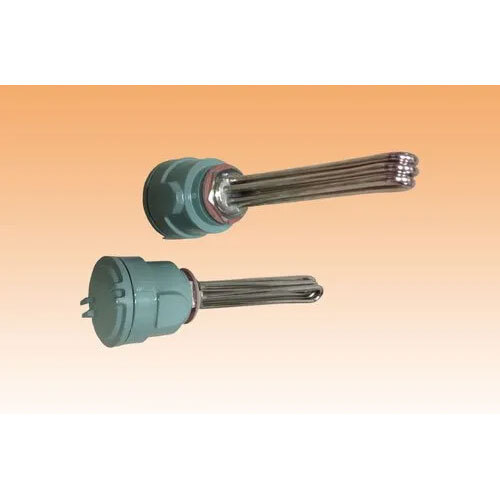
Tell us about your requirement

Price:
Quantity
Select Unit
- 50
- 100
- 200
- 250
- 500
- 1000+
Additional detail
Mobile number
Email

More Products in Immersion and Circulation Heaters Category

Oil Immersion Heater
Price 1400.0 INR / Piece
Minimum Order Quantity : 5 Pieces
Material Specified : Other, Stainless Steel
Power : 2000W
Shape : UShaped
Insulation Material : Ceramic
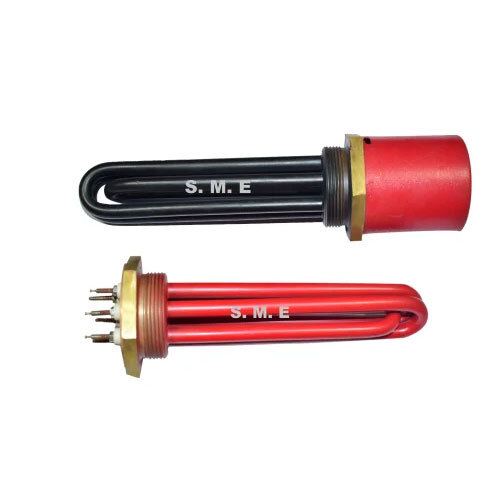
Flange Oil Immersion Heaters
Price 1500.0 INR
Minimum Order Quantity : 5
Material Specified : Other, Stainless Steel / Mild Steel / Incoloy
Power : 1 kW to 20 kW
Shape : UShaped / LShaped / Straight
Insulation Material : High Grade Magnesium Oxide (MgO)
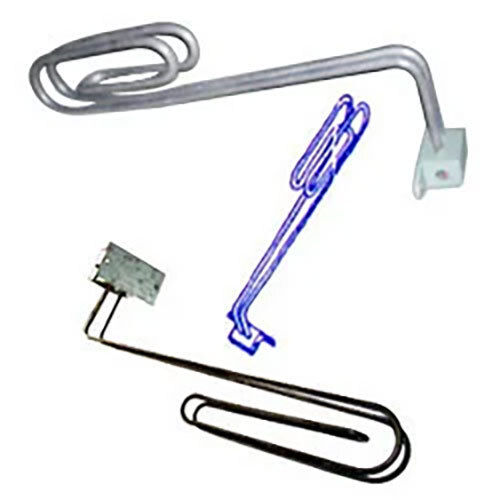
Chemical Heating Element
Price 1400.0 INR
Minimum Order Quantity : 5
Material Specified : Other, Stainless Steel
Power : 2000 W
Shape : U Shape
Insulation Material : Ceramic
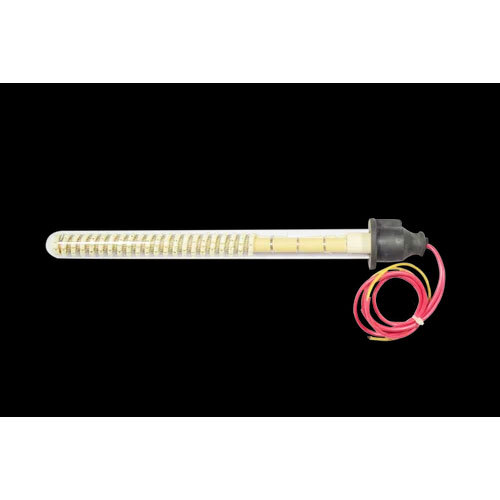
Silica Tube Heater
Price 1400.0 INR
Minimum Order Quantity : 5
Material Specified : Other, Silica Glass
Power : 1000 Watt
Shape : Tube
Insulation Material : High Grade Ceramic

S. M. ENTERPRISE
GST : 27ABNFS1615B1ZE
GST : 27ABNFS1615B1ZE
Unit No. 133, Veena Dalwai Industrial Estate, S.V. Road, Jogeshwari (West),Mumbai - 400102, Maharashtra, India
Phone :07313725927
 Send Inquiry
- Electric Heaters
- Thermocouples / Temp. Sensors
- Temp. Controllers
- Air Duct Heater
- Band Heater
- Cartridge Heater Manufacturer
- Coil Heater
- Drum Heater
- Flanged & Circulation Heater
- Hopper Dryer & Loader
- Hot Air Blower
- Immersion Heater
- Infrared Heater
- Process Air Heater & Inline Heater
- Tubular Heater
- Nozzle Heaters
- Band Heaters
- Immersion and Circulation Heaters
- Cast Heaters
- Heaters and Air Blowers
- Air Heaters
- Industrial Heater
- Ovens and Dryers
- Plastic Ancillary Machine
- Drum Heater for Chemical Industries
- Hopper Dryers & Loaders
- Energy Regulation & Infinite Controllers
- Wires And Cables
- Industrial Oven
- Thermostats
- Thermocouple & Thermostat
 Send Inquiry
 Send SMS
S. M. ENTERPRISE
All Rights Reserved.(Terms of Use)
Developed and Managed by Infocom Network Private Limited.
Developed and Managed by Infocom Network Private Limited.

